
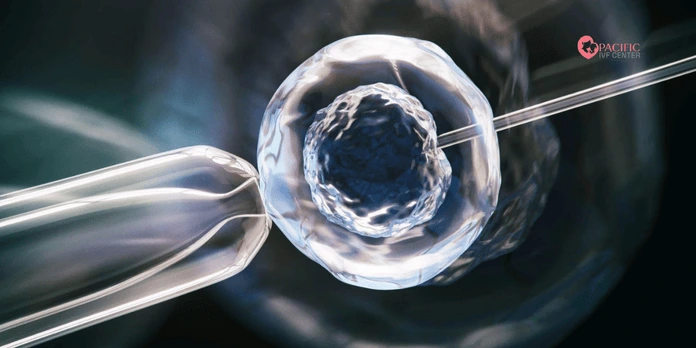
The field of reproductive medicine represents hope in a world where dreams of parenthood are often accompanied by challenges. Advancements in IVF technology have broadened options for couples in Nepal and beyond. This blog explores revolutionary innovations, applications, and the future of IVF, highlighting how contemporary science is making parenthood possible.
Let’s identify advances in ivf technology in detail and appreaicte this life-changing technology as a boon in this modern world.
How IVF Technology Has Evolved Over the Years

The IVF has been an interesting story of scientific persistence. What used to be a painfully experimental process has turned into a modernized, accurate, and extremely effective cure to infertility.
Milestones in IVF Development
- 1978: The first IVF baby, Louise Brown, was born, and this marked the beginning of hope in the world.
- 1980s-1990s: further development of the ovarian stimulation methods and embryo transfer methods.
- 2000s: The blastocyst culture was introduced, which enhanced the rate of implantation.
From Conventional to Modern IVF Technology
- In the traditional IVF technology, embryos were selected manually and observed.
- The current IVF technology is advanced and combines digital tracking, AI, and genetic testing to be accurate and efficient.
Impact on Success Rates
- The better embryo selection, optimized protocols, and laboratory advances have made success rates much better.
- Couples have increased opportunities of pregnancy per cycle, and fewer miscarriages.
Patient Experience Improvements
- Minimal invasive surgeries, reduced hospitalization, and individual care.
- Treatment plans are based on psychological support, which provides emotional well-being.
Top Advances in IVF Technology
Fertility medicine continues to advance, and recent IVF technologies are transforming lives. These innovations represent not just scientific progress but also serve as a source of hope for millions of families.
Artificial Intelligence (AI) in IVF
The IVF lab has been penetrated by AI, which analyzes thousands of data points of previous cycles to optimize treatment.
- Individualized Treatment Plans: AI algorithms will recommend optimal combinations of drugs, dosage, and time depending on each patient.
- Embryo Selection: AI can be used to predict the implantation potential of embryos by measuring the morphology and development trends of embryos.
Advantage: Higher rates of pregnancy and fewer trials and errors of treatment.
Preimplantation Genetic Testing (PGT)
PGT enables embryos to be analyzed prior to implantation, and the presence of chromosomal disorders and genetic illnesses can be identified.
- Healthier Embryos: Viable embryos are not transferred with any genetic problems.
- Fewer Miscarriages: The couples have less emotional and financial strain.
- Personalized Testing: Screening. It is possible to target specific inherited diseases in case parents have a history of known genetic risks.
Time-Lapse Imaging
Undisturbed observation of embryos takes place in an incubator.
- Constant Oversight: Records significant milestones of growth.
- Enhanced Decision-Making: Embryologists are able to choose embryos that have the highest chances of success.
- Non-Invasive: It keeps the conditions of optimum culture and yields rich data.
Advanced Culture Media
Embryos grow in an environment that is critical.
- Modernized Nutrients: The natural conditions of the uterus are imitated by modern media.
- Better Quality Embryos: Assistance in His growth and development.
- The consistency hinges on consistency in lab conditions, which enhances success rates.
In Vitro Gametogenesis (IVG) – The Future of IVF
- Stem Cell Potential IVG generates eggs and sperm using skin cells or other somatic cells.
- Increased Fertility Alternatives: Prospects for persons who are incapable of generating functional gametes.
- Research Stage: It is still a study, but it has great potential in the future.
Microfluidic Technology
- Precision Control: Minimal passageways control the flow of fluid around embryos.
- Improved Implantation: This one is a replica of the natural fallopian environment, which encourages better embryo development.
Cryopreservation Advancements
- Vitrification: The ice crystals are avoided by rapid freezing methods, which enhance the survival of the embryo.
- Flexibility to Patients: Gives the option of multiple cycles and the delay of the implantation until the best conditions are achieved.
Benefits of Modern IVF Technologies

Any technological advancement has physical and emotional benefits.
Increased Pregnancy Success Rates
- Increased implantation success cycle.
- Less time and money spent on various cycles.
Reduced Risk of Complications
- Less risky methods of childbirth and motherhood.
- Reduces the chances of multiple pregnancies or surgery.
Personalized Fertility Care
- Plans of treatment in relation to the physiology and medical history of the individual patient.
- Enables the physicians to treat certain fertility issues in a more effective manner.
Shorter Treatment Timelines
- Cycles are simplified with the help of AI and predictive modeling.
- There are shorter waiting times and more predictable results.
Better Emotional and Psychological Support
- Live information and machine learning decrease the sense of uncertainty and anxiety.
- Patients become more knowledgeable and self-assured during therapy.
Challenges and Considerations in Nepal
Despite the promise, practical realities challenge the implementation of cutting-edge IVF technologies in Nepal. Even as global progress is impressive, local healthcare considerations must be carefully addressed and adapted.
Gist: Pushes the frontiers of accessibility, cultural, regulatory, infrastructure, and financial challenges that affect the use of IVF technology in Nepal.
Accessibility of Advanced IVF Treatments
- The clinics in major cities have only a few clinics with AI, PGT, or time-lapse imaging; thus, access to the newest treatments is restricted.
- Patients living in rural areas have to endure lengthy commuting and expensive transport expenses, which puts an extra strain and logistical challenge on fertility care.
- The access restrictions may also slow down the treatment cycles, which influences patient outcomes and emotional state.
Cost Implications
- The cost of advanced IVF technologies is high, and most of the time, many families cannot afford it.
- The insurance cover on fertility treatments is poor or absent, and couples incur the entire out-of-pocket costs.
- These economic inconveniences may deter repetitive cycles or trials with the most recent technologies, even when advised by the physician.
Cultural and Social Acceptance
- There are myths, religious beliefs, and misconceptions about IVF technology and genetic testing, which might cause some families to hesitate.
- In spite of its safety and efficacy, fertility treatments may be stigmatized socially, which may affect patient trust and desire to seek care.
- Educational outreach and awareness campaigns are important to close the gap between scientific knowledge and societal acceptance in order to allow couples to make informed choices.
Regulatory and Ethical Guidelines
- The ethical control is becoming necessary, especially with the development of high IVF technology.
- Guidelines should be on embryo selection, genetic tests, and transparency of treatment to guarantee patient safety and informed consent.
- An effective regulatory system can also help it responsibly implement new technologies in clinics to avoid abuse or malpractice.
Infrastructure and Expertise Limitations
Implementation of the latest IVF methods needs qualified embryologists, modern laboratory facilities, and continuous professional education to be successful.
Not every clinic will have the entire set of resources required to support such advanced procedures as AI-assisted embryo selection or IVG experimentation.
It is imperative to resolve the issue of infrastructure and human skills that will guarantee that Nepalese patients can enjoy the full benefits of global development in IVF.
Future Prospects of IVF Technology

The future of IVF technology is promising, and science keeps testing the limits to provide hope to other families. In Nepal, fertility care can be changed through the choice of adoption of these innovations and increasing the availability of modern reproductive solutions.
Emerging Global Trends
- Embryo selection using AI still helps to perfect the success predictions, eliminating trial-and-error procedures and enhancing confidence in the patients.
- Lab systems and robot accuracy lead to uniformity in the way procedures are performed and reduce human error when handling a sensitive treatment.
- Individualized fertility treatment can be provided through the integration of genomic sequencing, thereby providing the possibility of specific intervention for each couple.
- The clutter of the microfluidic and cryopreservation is also pushing the limits of embryo survival and development, providing the patient with a broader choice.
Potential Integration in Nepal
- These technologies that can be gradually implemented in Nepalese clinics include AI monitoring and improved culture media.
- It should be trained to local staff on new protocols to make it safe and efficient.
- Responsible incremental upgrading of the lab infrastructure would enable more patients to get the benefits of modern IVF technology without straining the resources.
Research and Development Opportunities
- The partnership with foreign IVF centers will introduce experience, training, and new guidelines in Nepal.
- The targeted solutions to Nepalese couples can be developed through local researches that is aimed at the fertility-related issues that are unique to the population.
- The financing of clinical trials and adapting technologies will make sure that the patients in Nepal will be able to receive treatments that could be as effective as those provided in other countries.
Expanding Access for Couples
Subsidies, tiered pricing, and insurance alliances can be considered by policymakers and clinics as some of the ways to ensure that advanced IVF can be affordable to a broader group of people.
The ethical standards, emotional assistance, and extensive counseling can ensure that the couples go through fertility treatments with confidence.
The integration of technology, affordability, and care will enable Nepal to create a global IVF ecosystem that provides hope to every couple that wants to have a child.
Conclusion
The developments of IVF technology have turned the fertility treatment into a highly precise, patient-focused, and hopeful process. Since the embryo selection with the help of AI, genetic screening, time-lapse imaging, and other sophisticated culture media, every new invention brings couples a step closer to their dreams about having children.
Other clinics are implementing these technologies in a responsible manner in Nepal, so the future of IVF is bright with greater success rates, safer, and a new hope for a family. Through infrastructure, skills, and education of people, Nepal can develop a sound and ethical fertility care system.
With such astounding innovations in the IVF field, couples who have already engaged the services of the qualified specialists will be in the best position to take advantage of such remarkable innovations and make the dream of having children a reality for more families in the country. We hope you are now aware of the latest advances in IVF technology.
FAQs:
a) What are the new technologies for IVF?
The new IVF technology is in the form of AI-assisted embryo selection, preimplantation genetic testing (PGT), time-lapse imaging, and advanced culture media. These inventions allow treatment to be safer, more efficient, and more individual. At Pacific IVF, these advanced IVF technologies can be used to its advantage to help patients achieve as many success rates as possible and enhance overall fertility outcomes.
b) Is new in IVF technology 2025?
IVF technology in 2025 is aimed at the combination of AI and robotic laboratory systems and genomic sequencing to provide incredibly personalized fertility care. Sophisticated methods of cryopreservation and microfluidic methods also improve embryo survival. Such modern IVF technologies are being embraced in clinics such as Pacific IVF so as to provide Nepalese couples with access to world-class fertility solutions.
c) What are the advanced forms of IVF?
The further types of the IVF technology are the intracytoplasmic sperm injection (ICSI), PGT, time-lapse imaging, and in vitro gametogenesis (IVG). These procedures enhance the selectivity of the embryos, diminish the occurrence of miscarriage, and maximize the outcome of the treatment. All these advanced IVF technologies are provided to patients in Pacific IVF with professional attention and special protocols.
d) How has IVF technology improved?
The IVF technology has been enhanced with AI-based embryo selection, enhanced culture mediums, genetic testing, and non-invasive monitoring methods. All these developments enhance the success, complications, and patient-friendliness of treatments. Pacific IVF has been able to employ these current technologies in IVF to offer safe, effective, and reliable fertility solutions to couples in Nepal.
