
The hormones are significant in controlling numerous functions in the human body. Estrogen is one of the most valuable hormones in women, which assists in regulating the menstrual cycle, reproductive health, mood, bone strength, and metabolism.
However, in the case of excess and deficiency of estrogen, it may result in several physical and emotional symptoms. Not all women may be aware that irregular periods, mood swings, fatigue, or hot flushes may be caused by a hormone imbalance.
Knowing the symptoms of high or low estrogen would help you to be aware of the early warning signs and consult the right medical care. In this article, we will elaborate on the definition of estrogen, estrogen imbalance symptoms, the causes that may be common, and when you need to seek medical attention.
What Is Estrogen and Why Is It Important?
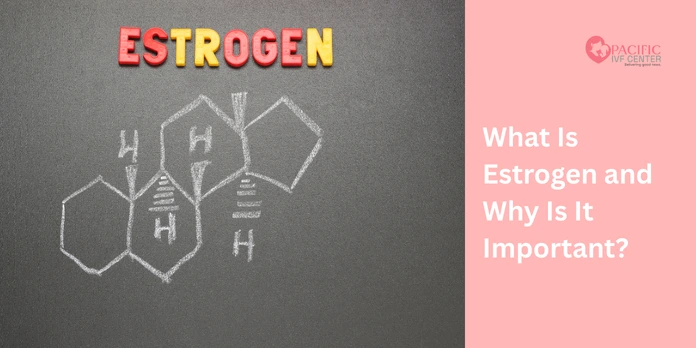
Estrogen is a hormone that is mainly produced in the ovaries, but some traces are produced in the adrenal glands and fatty tissues. It is commonly known as the primary female hormone since it has a significant role in female reproductive health.
Estrogen affects several systems in the body and helps regulate important biological processes.
Regulation of the Menstrual Cycle
The monthly menstrual cycle is regulated by estrogen, which prepares the uterus to carry a pregnancy. It works together with other hormones, such as progesterone in controlling ovulation and menstruation.
Reproductive Health
The hormone helps in the growth and functioning of the female reproductive organs such as the uterus and ovaries.
Bone Health
Estrogen helps to retain bone density. The condition of low estrogen may put the risk of bone loss and osteoporosis at a later stage.
Mood and Brain Function
Estrogen also affects brain chemicals that regulate mood. Changes in estrogen levels may influence emotional well-being and mental clarity.
Because estrogen influences so many body systems, an imbalance can cause a wide range of symptoms.
Symptoms of High Estrogen
Excessive estrogen is also known as estrogen dominance, implying that the estrogen content is high relative to other hormones like progesterone.
When estrogen levels are elevated, the body may show several noticeable symptoms.
Physical Symptoms
High estrogen can affect the body in different physical ways.
- Weight gain: Many women notice weight gain, especially around the hips and thighs.
- Bloating: Increased estrogen may cause fluid retention and abdominal bloating.
- Breast tenderness: Breasts may feel swollen, sensitive, or painful.
- Headaches: Hormonal fluctuations can trigger headaches or migraines.
- Fatigue: High estrogen levels may leave some people feeling unusually tired.
Menstrual Symptoms
Hormone imbalances often affect the menstrual cycle.
- Heavy periods: Excess estrogen may cause heavier than normal bleeding.
- Irregular periods: The menstrual cycle may become unpredictable or inconsistent.
- Severe PMS symptoms: Women may experience more intense premenstrual symptoms.
Emotional Symptoms
Hormones also influence emotional health.
- Mood swings: Sudden changes in mood can occur.
- Anxiety or irritability: Some individuals feel more anxious or easily irritated.
- Difficulty concentrating: Hormonal changes may affect mental clarity.
These symptoms can vary from person to person and may gradually develop over time.
Symptoms of Low Estrogen

Perimenopause and menopause are generally linked to low estrogen levels, but they may also be found in younger women as a result of several health conditions or lifestyle influences.
When estrogen levels drop, the body may experience several noticeable changes.
Common Symptoms
Some symptoms are particularly common in women with low estrogen.
- Hot flashes: Sudden feelings of heat that spread through the upper body.
- Night sweats: Excessive sweating during sleep.
- Irregular or missed periods: Menstrual cycles may become inconsistent or stop altogether.
- Vaginal dryness: Reduced estrogen can cause dryness and discomfort.
Physical Changes
Low estrogen may also lead to physical changes in the body.
- Dry skin: Skin may become less hydrated and more sensitive.
- Fatigue: Persistent tiredness or low energy levels.
- Sleep problems: Difficulty falling or staying asleep.
Emotional Effects
Hormonal shifts can also influence emotional well-being.
- Mood changes: Some individuals experience mood swings or sadness.
- Depression: Long-term estrogen deficiency may contribute to feelings of depression.
- Difficulty concentrating: Memory and focus may be affected.
Recognizing these symptoms early can help address hormone imbalance before it worsens.
High vs Low Estrogen: Key Differences
Although both conditions involve hormonal imbalance, the symptoms of high and low estrogen are different.
| High Estrogen | Low Estrogen |
|---|---|
| Weight gain | Hot flashes |
| Breast tenderness | Vaginal dryness |
| Heavy periods | Missed periods |
| Mood swings | Low libido (sex desire) |
| Bloating | Sleep disturbances |
Understanding these differences can help identify whether symptoms may be related to excessive or insufficient estrogen levels.
Causes of Estrogen Imbalance
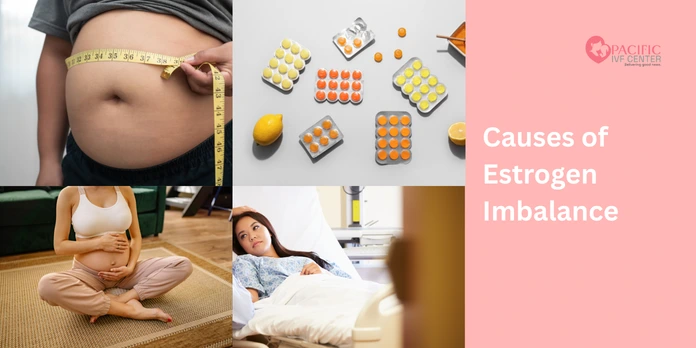
There are a number of causes of estrogen imbalance such as medical conditions, lifestyle habits as well as natural biological changes.
Causes of High Estrogen
Several factors can lead to increased estrogen levels.
- Obesity: Fat tissue produces estrogen, which may raise hormone levels.
- Hormone medications: Certain medications, including birth control pills or hormone therapy, may affect estrogen levels.
- Pregnancy: Estrogen naturally increases during pregnancy.
- Certain medical conditions: Conditions such as polycystic ovary syndrome (PCOS) can influence hormone balance.
Causes of Low Estrogen
Low estrogen can occur due to several factors as well.
- Menopause: Estrogen production decreases naturally as women age.
- Premature ovarian insufficiency: Ovaries may stop functioning earlier than expected.
- Excessive exercise: Intense physical activity can sometimes suppress hormone production.
- Poor nutrition: Inadequate nutrient intake may affect hormonal balance.
Understanding the underlying cause is important for determining the most effective treatment approach.
How Doctors Diagnose Estrogen Imbalance

In case an individual has symptoms of hormonal imbalance, a medical professional might prescribe a number of diagnostic measures.
Medical History Review
Doctors usually begin by asking about a patient’s symptoms, menstrual cycle, lifestyle habits, and overall health history. This is to make them aware of potential causes that can influence hormone levels.
Blood Tests
Blood tests are usually taken to determine the levels of the estrogen and other related hormones in the body. These tests assist physicians in identifying the level of estrogen as being above normal or below normal.
Additional Tests
In some cases, physicians can prescribe imaging or any other lab tests. Such tests are used to determine underlying health disorders that could be contributing to a hormonal imbalance.
Treatment Options for Estrogen Imbalance
Treatment for estrogen imbalance depends on the cause of the problem, the level of hormones, and the intensity of symptoms. Physicians typically prescribe a combination of medication and lifestyle changes to assist in hormonal correction.
Medical Treatment
Doctors may recommend medical treatments such as:
Hormone therapy to regulate estrogen levels
Hormone therapy may be prescribed to help restore normal estrogen levels in the body. This is mostly prescribed when the imbalance of hormones is associated with menopause, hormonal disorders, or any other medical problem.
Medications to manage specific symptoms or underlying conditions
Certain medications may be used to treat symptoms such as irregular periods, mood changes, or severe hormonal fluctuations. In some cases, doctors can also treat underlying conditions that are interfering with hormone balance.
Medical treatment should always be guided by a qualified healthcare professional to ensure safe and effective results.
Lifestyle Changes
Changes in lifestyle are also possible and will assist in hormone balance and improved well-being.
Healthy diet:
A healthy and balanced diet with heavy consumption of fruits, vegetables, whole grains, and healthy fats may help in hormone production and general health. Healthy nutrition is also used to keep one at a healthy weight that contributes to hormone regulation.
Regular exercise:
The moderate exercise assists in the enhancement of metabolism and healthy hormone levels. Exercise can also help in alleviating stress and boosting general energy.
Stress management:
Constant stress may also disrupt hormone balance and cause health problems in general. Stress can be managed through practicing relaxation methods like meditation, yoga, or deep breathing.
Adequate sleep:
Adequate sleep is necessary to have good hormonal control. The bad sleeping habit may disrupt the production of hormones and may alter the balance of symptoms.
Practicing healthy lifestyle habits in combination with medical treatment can be the most effective solution for controlling estrogen imbalance.
When to See a Doctor
While occasional hormonal changes are normal, persistent symptoms may require medical attention.
You should consider consulting a healthcare professional if you experience:
- frequent irregular menstrual cycles
- severe hot flashes or night sweats
- unexplained weight changes
- ongoing fatigue or mood changes
- difficulty with fertility
Early evaluation can help identify potential hormone imbalances and prevent complications.
Conclusion
Estrogen is an essential hormone that helps in a variety of significant body processes and functions, such as reproductive health, bone strength, and emotional well-being. Excess or lack of estrogen can cause the body to develop numerous physical and emotional disorders.
Knowledge of the symptoms of high or low estrogen can assist people in identifying the possible hormone imbalance in advance. In case the symptoms continue and affect the normal course of life, it is advisable to seek medical care to be diagnosed and treated.
Healthy lifestyle and timely medical consultation can be used to assist in hormonal balance and general health.
FAQs:
What are the symptoms of high estrogen in women?
The typical symptoms of high estrogen are weight gain, breast tenderness, bloating, heavy menstrual cycle, and mood swings. Certain women might also be fatigued or have a headache or become anxious.
What are the symptoms of low estrogen?
Symptoms of low estrogen can be hot flashes, night sweats, irregular or missed menstrual cycles, vaginal dryness, and sleeping problems. Some women might also experience mood swings, fatigue, or lack of concentration.
How can you tell if estrogen levels are high or low?
Estrogen levels can be determined through blood tests that measure hormone levels in the body. A doctor may also evaluate symptoms and medical history to make an accurate diagnosis.
Can an estrogen imbalance affect fertility?
Yes, estrogen has a significant role in the process of ovulation and the menstrual cycle. The irregularity in the estrogen level can disrupt ovulation and complicate conception.
