
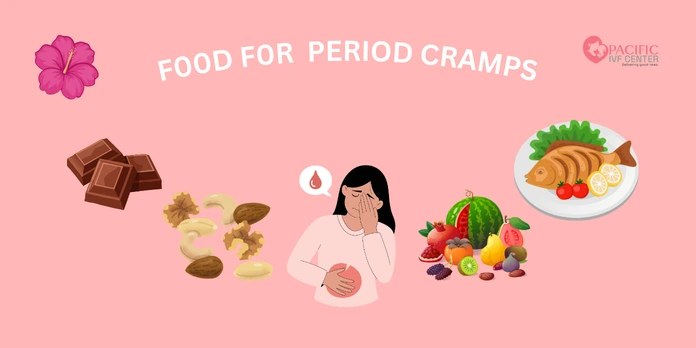
Even a normal day may become a painful day with period cramps. The inflammation of the tight pulling pain in the lower abdomen, bloating, back pain, and fatigue are what most individuals have to cope with every month. Although painkillers can help temporarily, the food you consume during your period can surprisingly matter in terms of the intensity of the cramps.
The good news? Some foods can help ease inflammation, relax muscles, and give your body a boost during menstruation. Meanwhile, some foods have the potential to even worsen period pain. We will break down the best foods for period cramps, what you are supposed to eat during periods, and what foods to avoid in this guide, so that everything will be very simple and practical.
Pro tip: Period tracker apps can help identify days that follow up to the cycle, better preparing you to clean up your diet if it has gotten unhealthy. This is an additional tool that’ll help you in your periods just like eating healthy food
Why Do Period Cramps Happen?
Before talking about food, let’s understand why period cramps happen in the first place.
The uterus contracts during your menstrual cycle to assist it in shedding its lining. Hormone-like substances known as prostaglandins activate these contractions. In situations where the level of prostaglandins is higher, the uterine muscles become stronger in their contractions, and this increases cramps and pain.
Period cramps are also painful and are inflamed. When the body is already inflamed, it produces more prostaglandins, and the cramps are worse. And here is where the diet is a factor; some foods may work to minimize inflammation, while others may increase it and intensify discomfort.
In simple terms:
- More inflammation = stronger cramps
- Less inflammation = milder cramps
Choosing the right foods can help support your body and make periods more manageable.
What Foods For Period Cramps Help Naturally?
Some of these foods have nutrients that help in combating inflammation, relaxing muscle and balancing hormones. Consuming such foods regularly, particularly during your period, help of reduced menstrual pains, naturally.
Anti-Inflammatory Foods That Ease Cramps
The use of anti-inflammatory foods decreases the inflammation levels in the body, thereby decreasing the severity of uterine contractions and reducing period cramps. The consumption of these foods can make your body react better to the menstruation process.
Fatty fish (like salmon or sardines):
Oxidative acids found in fatty fish contain omega-3 that helps to decrease inflammation in the body. It is also possible that omega-3s can reduce the synthesis of other compounds known as prostaglandins that cause painful contraction of the uterus during periods.
Olive oil:
Olive oil is rich in healthy fats and antioxidants, which fight inflammation. Scaling up food preparation or salads with olive oil can help with normal hormonal balance and prevent discomfort during periods.
Berries (strawberries, blueberries):
Berries contain antioxidants that help protect the body against inflammation and oxidative stress. They are also naturally sweet, and this can be used to control sugar cravings when there is no worsening of cramps.
Leafy greens (spinach, kale):
The leafy greens contain vitamins, minerals, and antioxidants that help in muscle and nerve functioning. They also include magnesium and iron that can possibly help decrease tension and fatigue in muscles and fatigue during menstruation.
Having such foods in your diet can support your body in the most gentle way, which will help in minimizing cramps and making your period more comfortable.
Magnesium-Rich Foods That Relax Muscles
Magnesium is a vital mineral that is necessary for the relaxation of the muscles and their proper functioning. Because period cramps are produced due to the strong contraction of the muscles in the uterus, food rich in magnesium may help relieve tension and reduce the pain.
Dark chocolate:
Magnesium is also a natural mineral of dark chocolate, and it relaxes the muscles and decreases cramping. It is also useful in fulfilling cravings for sweets at times that do not lead to sudden blood sugar surges when consumed in moderation.
Nuts and seeds (almonds, pumpkin seeds):
Nuts and seeds contain magnesium and healthy fats that help the nerves and muscles relax. Taking a small handful of this each day can help one relax in their muscles and be more comfortable when menstruating.
Bananas:
Bananas are sources of magnesium and potassium that collaborate to prevent muscle tightening and cramps. They are also simple to swallow and maintain energy level in period.
Whole grains (oats, brown rice):
Whole grains contain magnesium, fiber, and complex carbohydrates, which provide sustained energy. They support the nervous system and help prevent sudden energy drops that can worsen period discomfort.
These foods contain magnesium and help to eliminate the tight or cramping feeling that is usually experienced during periods, and contribute to better overall muscle relaxation.
Iron-Rich Foods to Support Energy During Periods
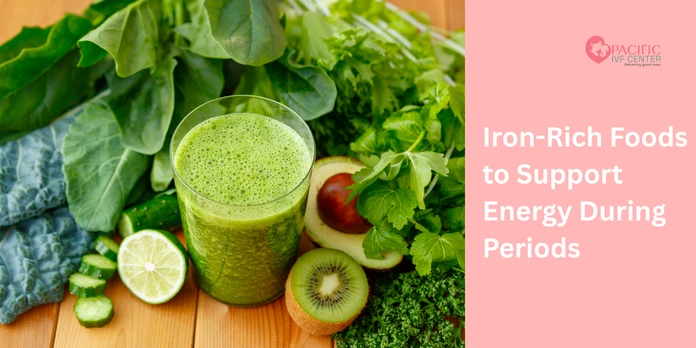
The body loses blood during menstruation, and this may occasionally reduce the levels of iron. A lack of iron can cause fatigue, weakness, dizziness, or low energy, and periods are more exhausting. You can supplement your diet with foods rich in iron, which would assist in the maintenance of energy and overall comfort.
Spinach and leafy greens:
Leafy greens like spinach are good plant-based sources of iron and also provide fiber and antioxidants. These nutrients help support blood health and may reduce feelings of tiredness during periods.
Lentils and beans:
Lentils and beans provide iron along with protein and fiber, which help keep you full and energized. They also support steady blood sugar levels, which can prevent energy crashes during menstruation.
To enhance the absorption of iron in your body, you can combine foods rich in vitamin C, such as oranges, lemons, strawberries, or bell peppers. This combinationhelps body to absorb iron more efficiently during menstruation.
Hydrating Foods and Drinks That Reduce Bloating
Dehydration can make bloating and period cramps feel worse. When the body doesn’t get enough fluids, it tends to hold on to water, which can increase swelling and discomfort. Staying well hydrated helps muscles function properly and supports better digestion during periods.
Water:
Drinking enough water throughout the day can actually help reduce bloating rather than cause it. Proper hydration helps flush out excess sodium from the body and supports smoother muscle contractions.
Herbal teas (ginger or chamomile):
Ginger tea can be used to reduce period pain, nausea, digestive issues, and inflammation. Chamomile tea helps in relaxation and even eliminates stress and tension in the body during menstruation.
High-water fruits (watermelon, oranges):
High water content fruits also help in maintaining body hydration and supplying the body with the necessary vitamins and minerals. They can also be useful in satisfying cravings as they are natural and sweet, which does not cause bloating.
Hydration is one of the simplest yet most effective ways to support your body during periods and reduce bloating naturally.
Foods to Avoid During Period Cramps
As there are foods that can decrease period pain, there are foods that can increase cramps and bloating. These foods have the potential to raise inflammation, fluid retention, or hormonal imbalance, which can aggravate menstrual pain.
Foods That Can Make Period Pain Worse
Salty foods:
Salt-rich foods cause the body to hold unnecessary water, which makes one bloat and feel heavy and uncomfortable. This increase in pressure and increase the intensity of period cramps.
Sugary snacks:
Sugary foods lead to immediate rises and falls in blood sugar level, which can make people more tired, moody, and inflamed. These fluctuations can make period pain feel worse and reduce overall energy.
Processed foods:
Processed foods are usually full of fatty, unhealthy fats, preservatives, and additives that encourage inflammation in the body. When these foods are regularly taken, it can raise prostaglandin levels, leading to stronger cramps.
Red meat:
Red meat is high in certain fats that may increase inflammation and prostaglandin production. Eating large amounts during your period may contribute to more painful uterine contractions.
Excess caffeine and alcohol:
Excessive use of caffeine and alcohol may dehydrate the body and disrupt healthy body relaxation. Some people, they may also experience increased cramping, bloating, or digestive discomfort during periods.
Avoiding such foods during your period of the month can help you feel less uncomfortable and enable your body to react to pain relievers in a more favorable way.
Lifestyle Tips That Boost the Effect of the Right Foods
Eating the right foods is most effective when combined with healthy daily habits. Small lifestyle changes can support your body, reduce inflammation, and make period cramps easier to manage.
Light exercise:
Light exercises like walking, stretching, or yoga will enhance blood circulation and release endorphins, which are feel-good hormones. These organic chemicals are useful in relieving pain and in relaxing tight muscles.
Heat therapy:
The warm heating pad or a bottle of hot water could be used on low abdomen to relax the uterine muscles. Heat enhances the flow of blood, and in many cases, heat relief of the cramping and stiffness.
Stress management:
High stress levels can increase inflammation and make period pain feel worse. Simple relaxation techniques like deep breathing, meditation, or quiet rest can help calm the body and ease discomfort.
Good sleep:
Adequate sleep helps maintain hormonal balance and eases the body’s reaction to pain. Lack of sleep can lower pain tolerance and make cramps feel more intense.
Staying hydrated:
Proper consumption of liquids helps in digestion, circulation, and muscle functioning. Hydration is also known to reduce bloating and make the body relax whenever it is time to menstruate.
All of these healthy practices can contribute greatly to making your body feel better during moments and promoting the usefulness of a healthy nutrient-density diet.
Conclusion
Menstrual cramps usually occur, but they do not need to dominate your life. Pay attentionto what you consume can make a significant difference in how your body feels during menstruation. There are several potential remedies to the issue of period cramps: choosing the appropriate foods that will help to relieve the pain, drinking plenty of water, and avoiding foods that cause inflammation to minimize the discomfort.
Small dietary and lifestyle changes, when practiced consistently, can lead to noticeable improvements over time. Listen to your body, try different foods, and focus on what works best for you. With the right choices, natural relief can begin right on your plate.
FAQs:
What food helps with period pain?
The foods that relieve period pain are anti-inflammatory and nutrient-dense foods, like leafy greens, berries, fatty fish, bananas, nuts, seeds, and whole grains. These foods help muscle relaxation, decrease inflammation, and balance hormones, and this could relieve cramps by default.
What foods are good for period pain?
Foods rich in magnesium, iron, and omega-3 fatty acids are especially good for period pain. Examples include dark chocolate, lentils, spinach, salmon, oats, and olive oil. These nutrients help relax muscles and reduce the intensity of cramps.
What food calms period pain?
Foods that calm period pain are those that reduce inflammation and support the nervous system. Herbal teas like ginger or chamomile, bananas, leafy greens, and high-water fruits can help soothe the body and reduce cramping discomfort.
Can diet really reduce menstrual pain?
Yes, diet is able to help decrease menstrual pain in a number of individuals. Although food might not be the best remedy for cramps, consumption of foods that are anti-inflammatory and rich in nutrients on a regular basis can reduce inflammation and make periods easier.
Is coffee bad during periods?
Coffee may worsen period cramps for some people, especially when consumed in large amounts. Caffeine is known to lead to dehydration and muscle tightening that can escalate cramping and bloating at some point in time.
Do bananas help with period cramps?
Yes, bananas may help with period cramps because they contain magnesium and potassium. These minerals help relax muscles and prevent muscle tightening, which can reduce cramping discomfort.
